Develop innovative solutions to complex problems
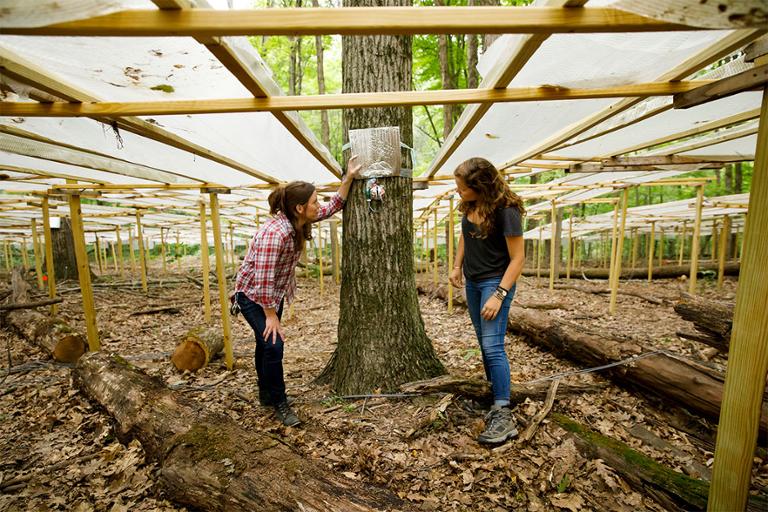
104 majors and degrees to choose from
Explore the range of majors and degrees available for IU students interested in environment-related programs.
-
Animal Behavior
Study this if you want to be an animal scientist, aquacultural manager, farm or ranch manager, teacher, or supervisor of animal care workers.
Where you can study
Bloomington -
Geology
Study this if you want to become a geologist, environmental consultant, groundwater specialist, mining or marine engineer, or teacher.
Where you can study
IndianapolisNorthwestSoutheast -
Environmental and Sustainability Studies
Study this if you want to be a climate change analyst, environmental scientist, industrial ecologist, environmental compliance inspector, or soil or plant scientist.
Where you can study
Bloomington -
Outdoor Recreation, Parks, and Human Ecology
Study this if you want to become a park naturalist, recreation worker, teacher, operations manager, or amusement and recreation attendant.
Where you can study
Bloomington -
Energy Engineering
Study this if you want to work in facilities management, environmental compliance, and alternative energy technologies.
Where you can study
Indianapolis
Experiential learning opportunities
Get hands-on, real-world experience as you explore your chosen course of study at IU. The opportunities listed below are a sample of what IU students are able to do—check your campus’s school, division, or department for more info.
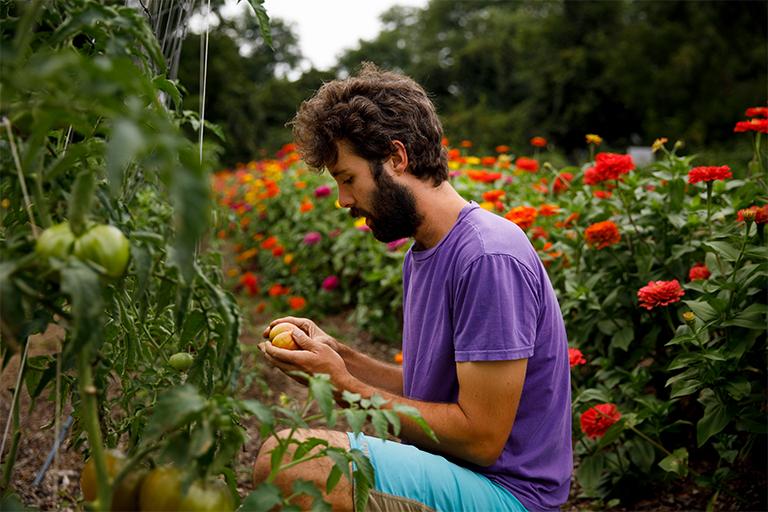
Find ways to protect natural resources and the environment